
Caring for Our Marshes
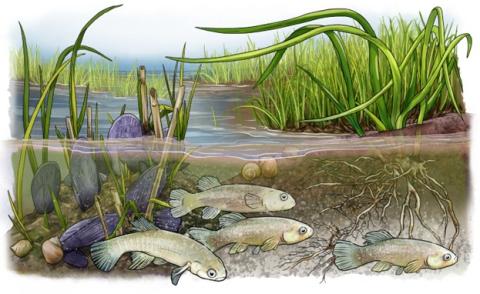
On a summer morning along New Hampshire’s coast, the salt marsh comes alive with movement and sound. Egrets stalk quietly through shallow creeks, fiddler crabs scatter across the mud, and tides slowly push seawater through winding channels of cordgrass. These tidal wetlands are among the most productive ecosystems in the region, supporting wildlife, protecting coastal communities from flooding, and storing carbon deep within their soils.
For generations, New Hampshire residents and visitors have valued salt marshes as places to fish, paddle, birdwatch, and experience the rhythms of the coast. But these landscapes are also changing. Sea level rise, historic alterations to marsh hydrology, and development along the upland edge are placing increasing pressure on salt marshes across the State’s Seacoast region. As water levels rise over time, marshes need room to gradually migrate inland. The way nearby land is managed today can influence whether these ecosystems are able to adapt to the changing conditions ahead.
To help people better understand and care for these coastal environments, the New Hampshire Department of Environmental Services (NHDES) Coastal Program, together with the Great Bay National Estuarine Research Reserve, released a new online guide in December 2025 titled, Caring for Our Marshes: A Guide for New Hampshire’s Seacoast. The guide brings together practical, science-based information and engaging visuals to help residents support the health and resilience of nearby tidal wetlands.
At its core, Caring for Our Marshes is designed as a resource for the many people who live, work, or spend time near coastal wetlands. The guide introduces readers to the ecological and cultural importance of New Hampshire’s salt marshes while also highlighting some of the challenges they face. From there, it offers a series of practical strategies for residents and land managers to modify the way they use and interact with coastal property to help protect these ecosystems.
Some recommendations focus on simple actions, such as maintaining natural vegetation along marsh edges or reducing stormwater runoff from nearby properties. Others encourage longer-term thinking about how marshes may shift across the landscape as sea levels rise, and how landowners and communities can help make space for that natural migration.
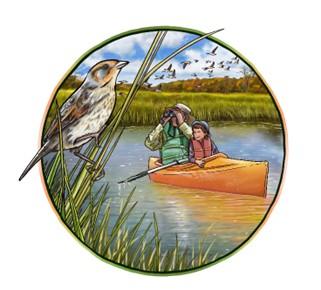
To make these ideas accessible and engaging, the guide combines science-based information with original artwork created by local artist Taylor Rose. The illustrations bring the salt marsh to life on the screen, depicting familiar plants, wildlife, and tidal landscapes while helping explain how these ecosystems function. Through visual storytelling, the artwork helps translate complex coastal processes into scenes that feel recognizable to anyone who has spent time along the shoreline.
The primary product of the project is the online guide itself, which organizes information about marsh benefits, wildlife, threats, and stewardship practices into an easy-to-navigate format. To support outreach beyond the website, the project team also developed several companion products, including a four-page printed summary and a postcard that can be shared at community events, town halls, workshops, and public meetings. Together, these resources provide multiple ways for people to learn about the guide and explore its recommendations.
Recognizing that caring for salt marshes requires many different perspectives, the project also convened an Advisory Group of experts from municipal governments, nonprofit organizations, universities, and the private sector. Members of this group contributed expertise in areas such as salt marsh ecology, land use planning, permitting, landowner technical assistance, landscape architecture, and science communication. Their feedback helped ensure that the guide reflects both the latest scientific understanding of marsh ecosystems and practical considerations for coastal communities and property owners. To learn more about the guide, explore the resources, and read about the partners and Advisory Group who helped shape the project, visit the About this Guide: Caring for Our Marshes page on the NHDES Coastal Program website.
Although Caring for Our Marshes is still in the early stages of outreach, it has already begun reaching local audiences. The Town of Hampton and the City of Portsmouth are planning to mail postcards to coastal residents in their communities to raise awareness of the resource. They also intend to make printed copies of the four-page fact sheet available at their municipal offices. In addition, the resource was introduced and highlighted during NHDES’s Making Waves Webinar series held in early April.
Ultimately, the goal of Caring for Our Marshes is simple: to help people better understand the salt marshes that shape New Hampshire’s coastline and to provide practical actions people can take to support their long-term health. Whether someone lives near a marsh, works in coastal landscaping or planning, or simply enjoys spending time along the shoreline, the guide offers insights into how everyday decisions can influence the future of these ecosystems.
As the tides continue to shape New Hampshire’s coastal wetlands, thoughtful stewardship will play an increasingly important role in helping these landscapes adapt. Resources like Caring for Our Marshes aim to give communities the knowledge they need to care for the places that make the coast so special.
View the Caring for Our Marshes Guide


